
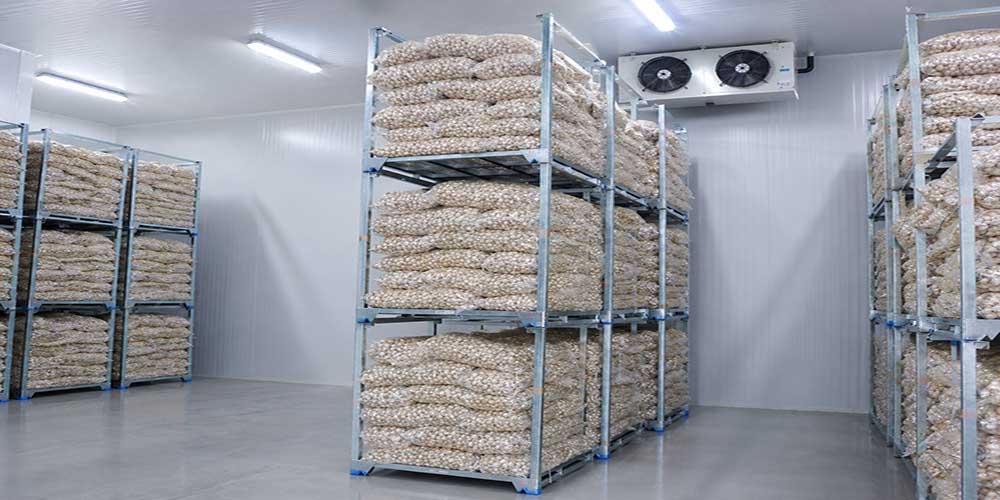
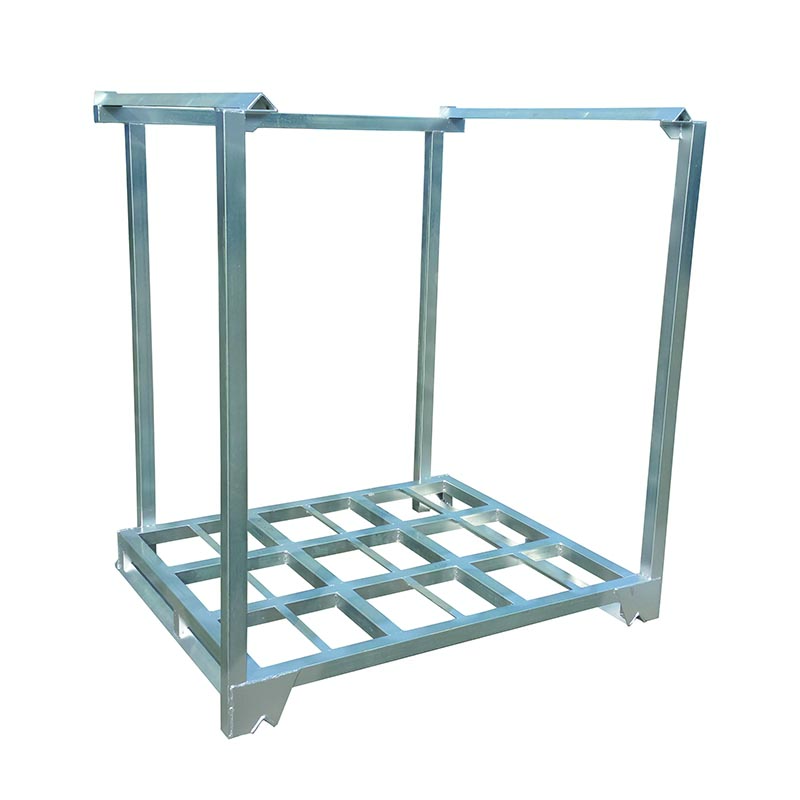
Galvanized Cold Storage Racks
Galvanized cold storage racks provide a durable and corrosion-resistant solution for refrigerated and frozen storage environments. Hot-dip galvanized steel provides an additional layer of protection against moisture and corrosion, making it suitable for warehouses where racks are exposed to condensation, humidity, and temperature fluctuations. These racks can be customized in dimensions, load capacity, number of storage levels, and structural configuration according to the customer's requirements. Key Features:Hot-dip galvanized steel construction,Strong load-bearing capacity,Corrosion-resistant surface,Suitable for refrigerated and frozen environments,Custom dimensions and configurations,Durable structure for long-term industrial use, Suitable Applications:Frozen food warehouses,Refrigerated food storage,Meat and seafood storage,Cold chain distribution centers, Food processing facilities,Temperature-controlled warehouses,
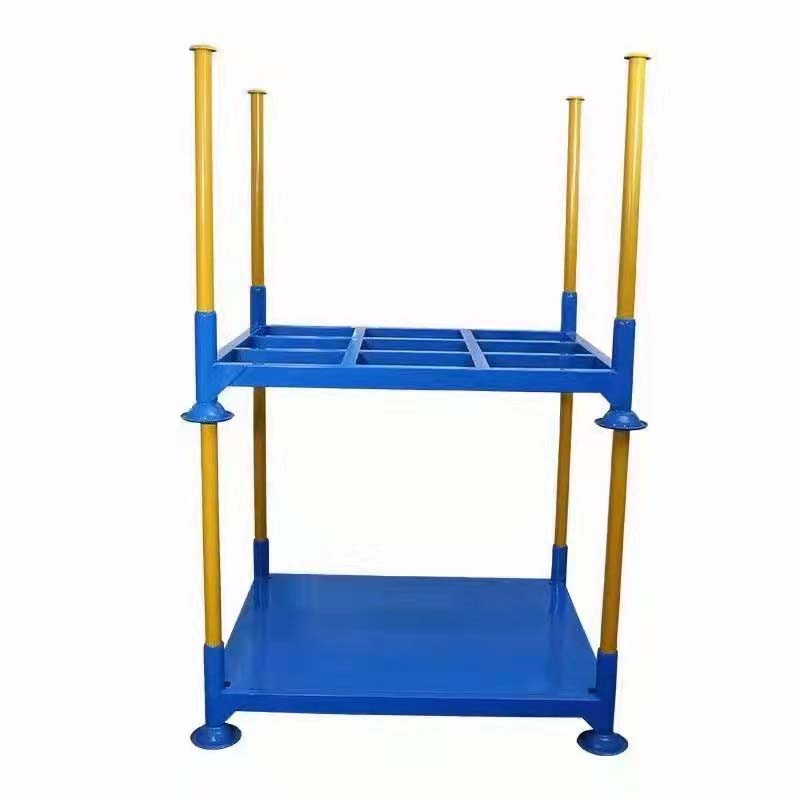
Round Tube Insertion Racks
Round tube insertion racks use removable round steel tubes to create a flexible storage structure. The tube-insertion design allows the rack configuration to be adjusted according to different storage requirements. Components can also be assembled and disassembled when necessary, making the system suitable for facilities that require flexible storage layouts. The structure can be customized according to the dimensions and weight of the stored products. Key Features:Modular tube-insertion structure,Easy assembly and disassembly,Flexible storage configuration,Strong steel construction, Custom dimensions,Suitable for different warehouse layouts, Advantages The removable tube structure makes the rack easier to configure for different products and storage conditions. It can also simplify transportation, relocation, and warehouse layout changes.
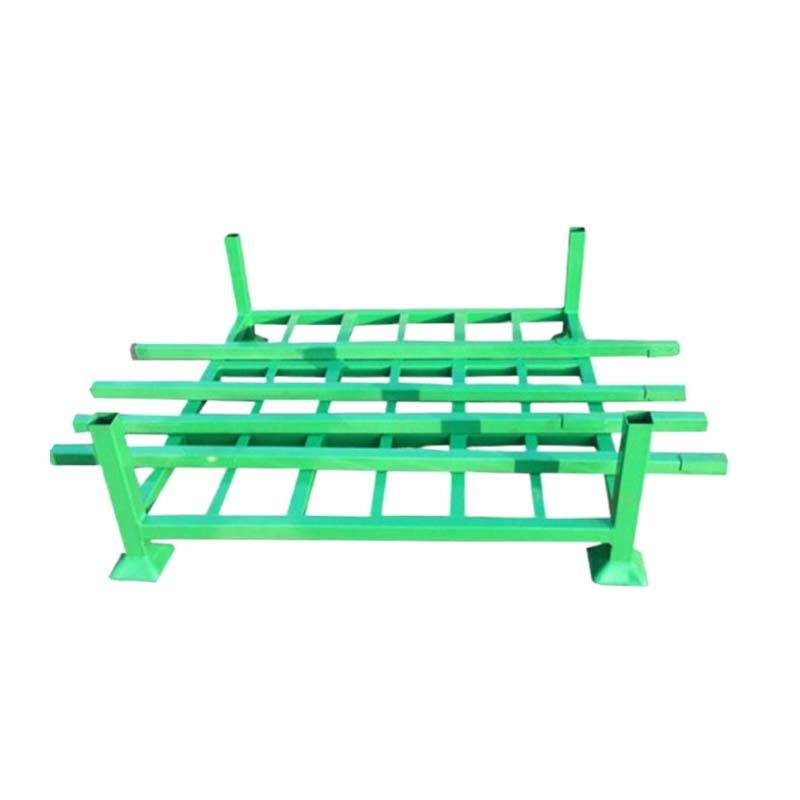
Square Tube Insertion Racks
Square tube insertion racks provide a stable and flexible storage structure for cold storage applications. The square tube configuration provides strong structural support while allowing the rack layout to be adjusted according to the stored goods and available space. The system can be customized in rack dimensions, tube spacing, storage levels, and load capacity. Key Features:Square steel tube construction,Modular insertion design,Flexible configuration,Strong load-bearing performance,Adjustable storage arrangement,Easy assembly and disassembly,Customizable dimensions and capacity Suitable Applications Square tube insertion racks are suitable for cold rooms, food storage facilities, processing plants, and other industrial environments where flexible and durable storage equipment is required.
Stainless Steel Cold Storage Racks
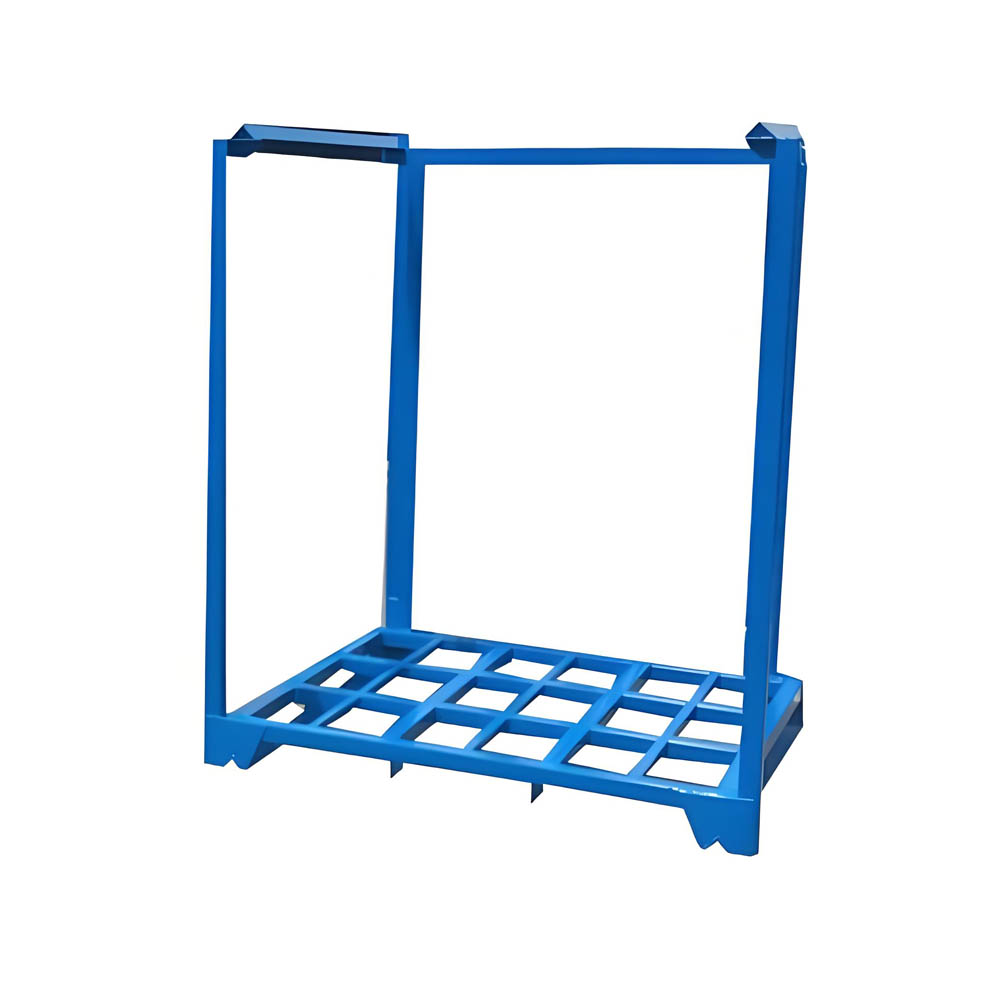
For environments requiring enhanced corrosion resistance, hygiene, and easy cleaning, stainless steel cold storage racks provide a reliable solution. Stainless steel is particularly suitable for applications where racks are regularly exposed to moisture, condensation, cleaning processes, or strict hygiene requirements. JULI® can customize stainless steel rack structures according to product dimensions, load requirements, storage capacity, and operating conditions. Key Features:Stainless steel construction,Excellent corrosion resistance,Easy to clean and maintain,Suitable for humid environments,Durable structure,Custom dimensions and load capacity, Suitable Applications:Food processing facilities,Seafood storage, Meat processing,Dairy and beverage facilities,Pharmaceutical cold rooms,High-hygiene storage environments,