# Stack Racks
-
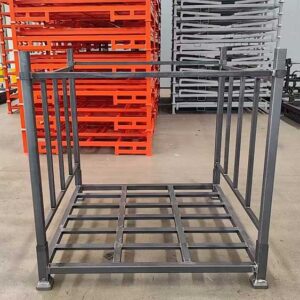
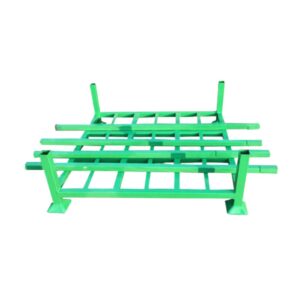
Nested rack
Stacking Racks for Warehouse
-
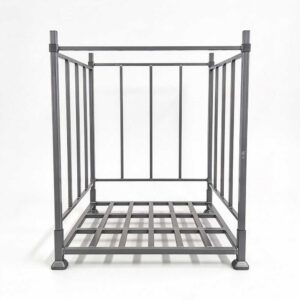
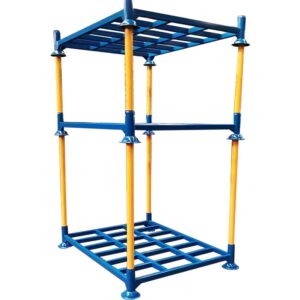
Detachable rack
Stackable Metal Racks
-
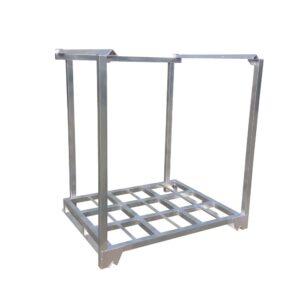
Folding rack
Cold Storage Pallet Racking
-
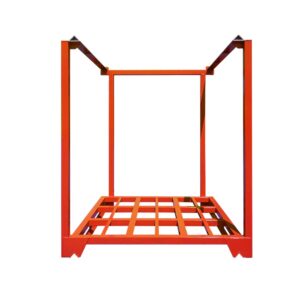
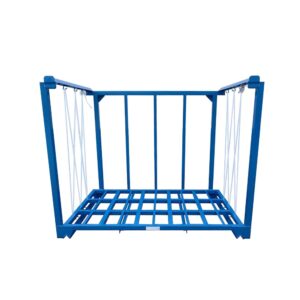
Folding rack
Cold room Storage Racks
-
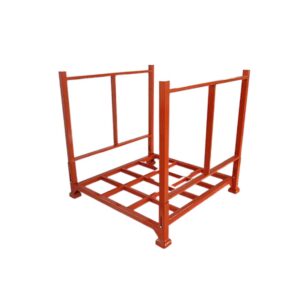
Folding rack
Automotive Storage Racks
-
-
-
-
Flexible Stack Racks for Efficient Industrial Storagen
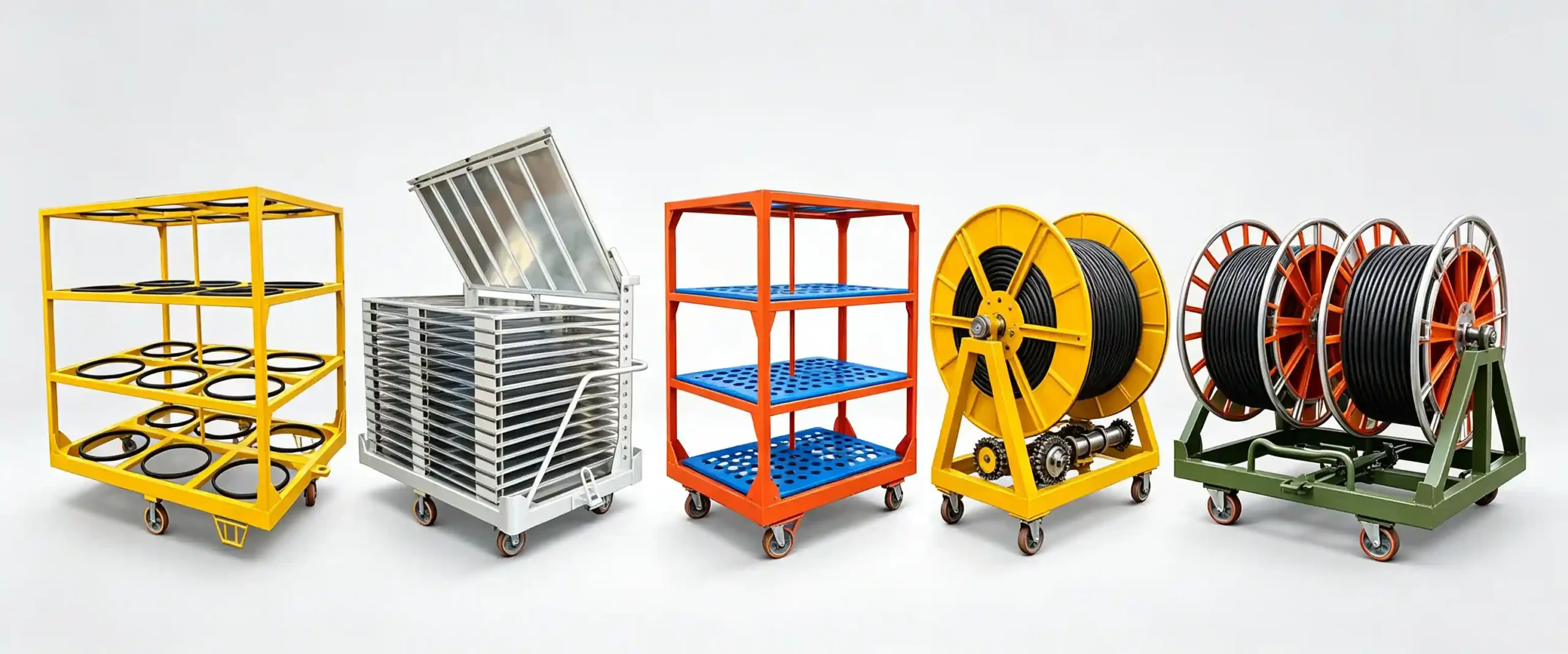
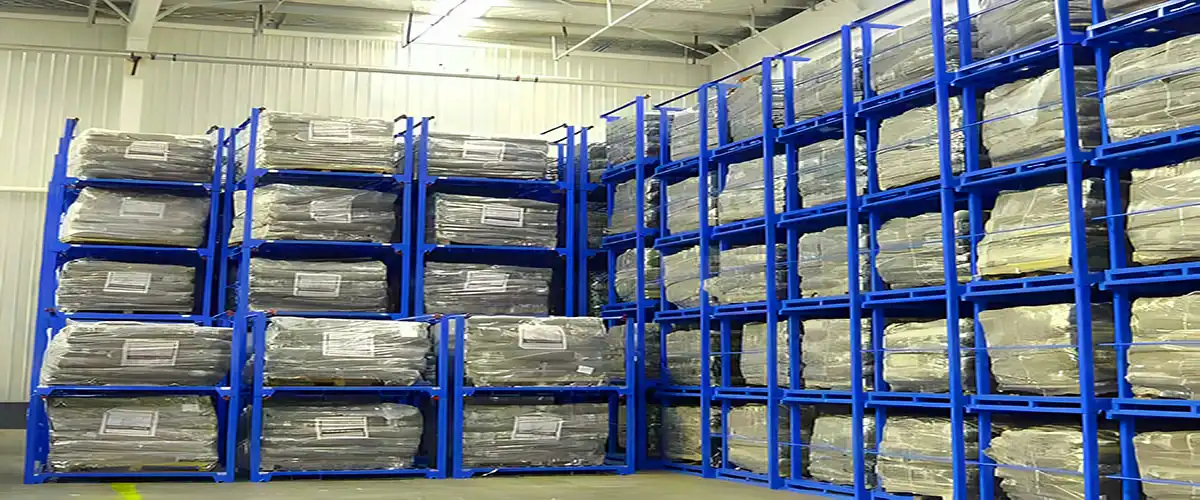
When warehouse floor space is limited, traditional floor storage can quickly become inefficient. Stack Racksu00a0provide a simple way to use vertical space by allowing loaded storage units to be safely stacked on top of one another.
JULIu00ae manufactures a range of metal stack racksu00a0for industrial storage, material handling, manufacturing, logistics, automotive, tire storage, and other applications where goods need to be stored, moved, and reused efficiently.
Unlike fixed warehouse racking systems, stack racks can be moved with forklifts, rearranged according to inventory requirements, and stored or transported when they are not in use.
Explore our Stack Racks collection to find a storage structure that matches your products, handling process, and warehouse environment.
u00a0
How Do Stack Racks Work?
Stack Racks combine vertical storage and material handling in one system.
Once goods are loaded into a rack, the rack can normally be moved by forklift and positioned in the warehouse. Additional loaded racks can then be stacked vertically according to the rack’s engineered capacity and safe stacking height.
This creates several advantages:
Instead of keeping materials only on the warehouse floor, stack racks allow usable vertical space to become part of the storage system.
Goods can be separated by product type, batch, specification, production stage, or customer order, making inventory easier to organize and access.
Forklift-compatible structures allow complete rack units and their contents to be moved together instead of handling individual products one by one.
Because stack racks are not permanently fixed to one location, warehouse operators can change the layout as inventory, production, or seasonal demand changes.
Why Use Stack Racks?
Choosing a storage system is not simply about storing more products. The right system should also improve handling efficiency, warehouse organization, product protection, and long-term operating costs.
- When Floor Storage Is Taking Up Too Much Spaceuff0c Floor stacking can waste valuable warehouse height and make inventory difficult to access.Stackable metal racks create organized vertical storage without requiring a permanent racking installation.
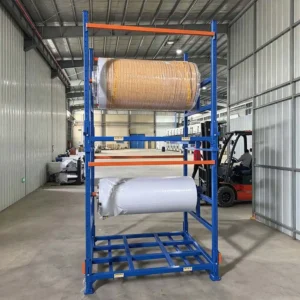
- When Products Cannot Be Stored Efficiently on Standard Pallets, Some materials are irregular, long, tubular, cylindrical, fragile, or difficult to secure on conventional pallets. Custom stack racks can be designed around the actual shape and handling requirements of these products.
- When Inventory Changes Frequently, Fixed storage systems work best when the warehouse layout is relatively stable. Stack racks are more flexible for businesses that frequently change inventory locations, production quantities, or storage requirements.
- When Materials Need to Be Moved Together, Instead of separately handling the product and its storage platform, a loaded stack rack can be moved as one unit, helping reduce unnecessary handling operations.
- When Reusable Storage Equipment Matters, Stack racks can be reused repeatedly for internal storage, production logistics, and material transportation, making them suitable for returnable and closed-loop logistics operations.
Where Are Stack Racks Used?
Stack Racks are not limited to one type of warehouse. Their biggest advantage is their flexibility.
The same basic concept can be adapted to different products and industries by changing the rack dimensions, support structure, load capacity, and surface treatment.

Manufacturing
Manufacturing facilities use stack racks to store raw materials, work-in-process products, components, and finished goods.nBecause the racks can be moved around the production area, they can also support internal material flow between production stages.
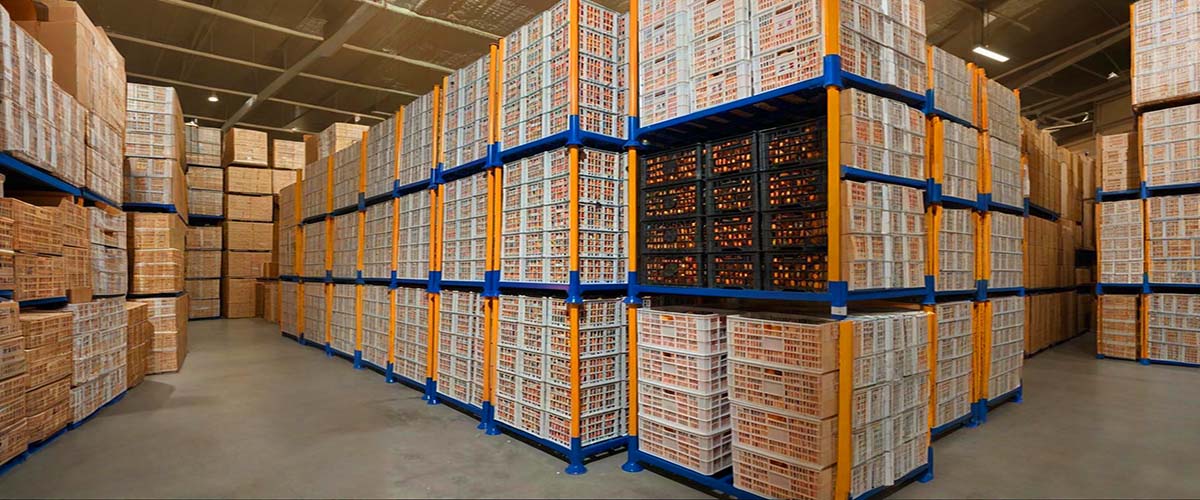
Logistics & Distribution
In logistics operations, reusable industrial stacking racks can serve as both storage units and material handling equipment.nThey are particularly useful when products move repeatedly between storage, production, loading, and transportation areas.
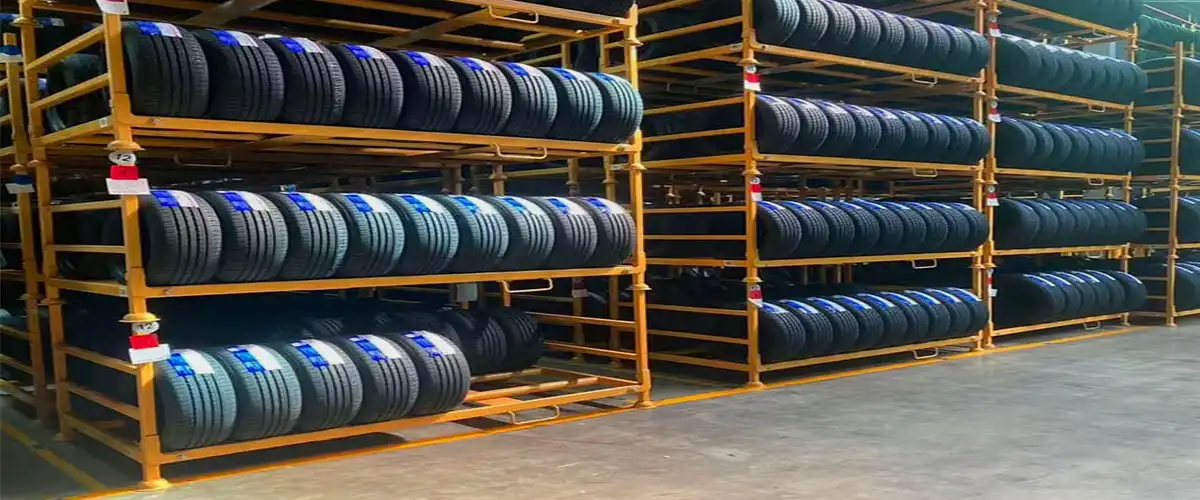
Automotive & Tire Storage
Tires, automotive parts, and other vehicle-related components often require organized storage with frequent forklift handling.nStackable rack designs can help increase storage density while keeping products accessible.
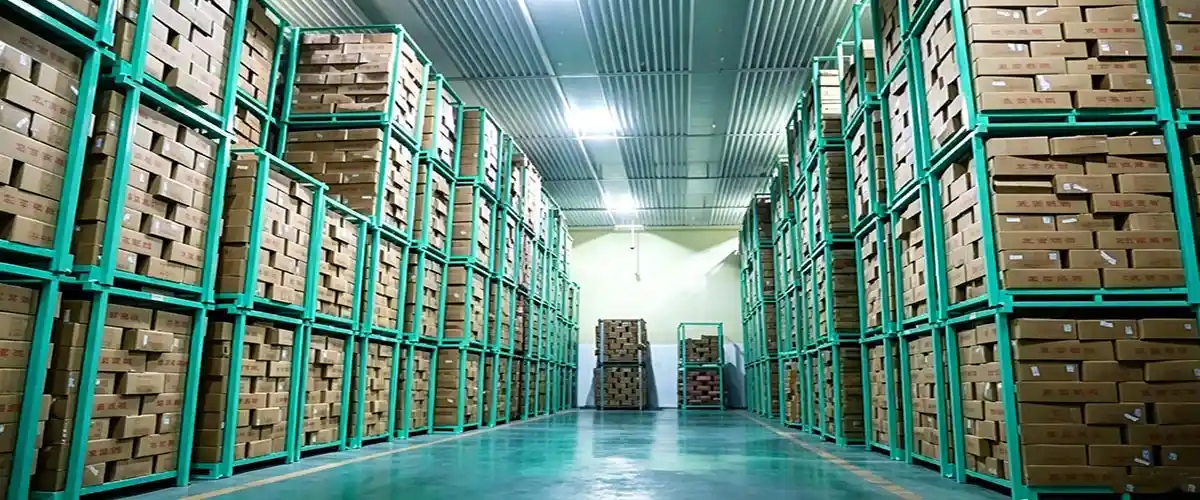
Cold Storage
Certain stack racks can be customized with appropriate steel materials and surface finishes for refrigerated or cold-room environments.nThey can be used where warehouses need vertical storage but also require flexible handling of goods.
Pipe & Long Material Storage
Long products such as pipes, tubes, profiles, and similar materials are difficult to organize using conventional shelving.nSpecialized stackable structures can provide better support while allowing forklift movement.
Why Choose JULI® Stack Racks?
Buying a stack rack is not simply buying a steel frame.
For industrial applications, the rack needs to match the product, load, forklift, stacking method, environment, and operating process.
This is where choosing the right manufacturer becomes important.Our Stack Racks can be developed around real operating conditions rather than being limited to a single standard size.
Manufactured for Industrial Applications
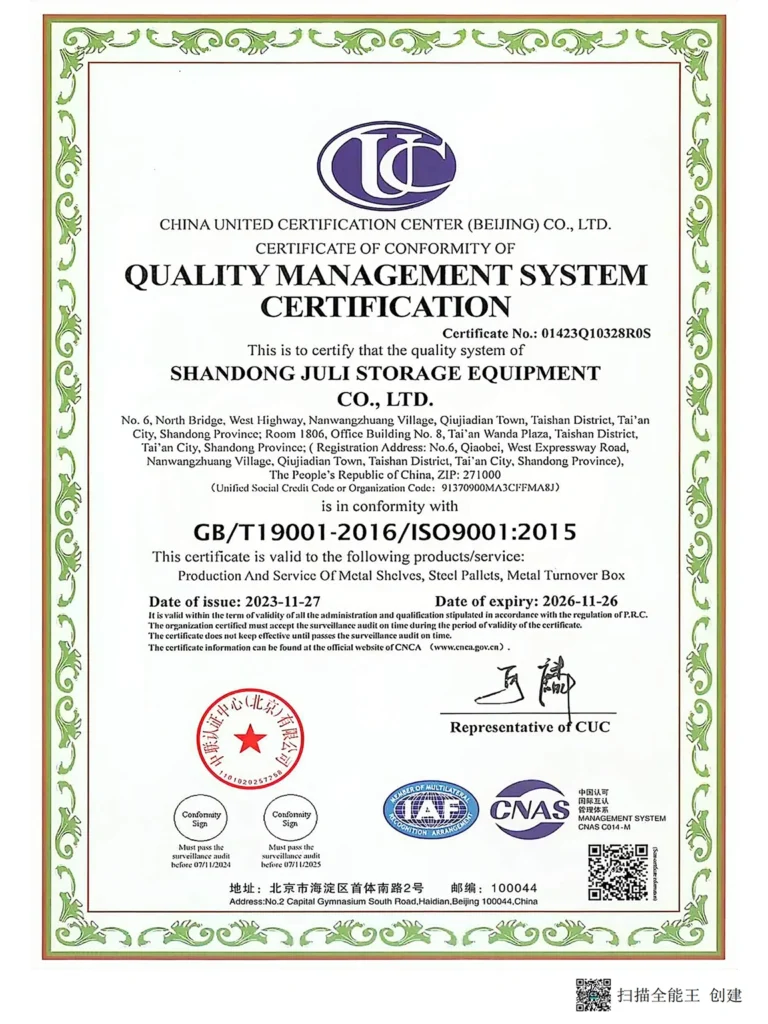
JULI® designs and manufactures steel storage equipment for industrial and logistics applications.
Our Stack Racks can be developed around real operating conditions rather than being limited to a single standard size.
Custom Rack Design
Different products require different support structures.
We can customize:
- Length and width
- Overall rack height
- Load capacity
- Stacking height
- Tube diameter and configuration
- Support structure
- Mesh or panel options
- Folding or nesting structure
- Surface treatment
- Color
Factory-Direct Manufacturing
Working directly with the manufacturer gives you greater control over rack specifications, production requirements, quality inspection, packaging, and delivery.
For OEM and project-based orders, JULI® can also support customized designs according to your application.
Built for Repeated Use
Industrial stack racks are usually not one-time storage products.
They may be loaded, unloaded, moved, stacked, unstacked, transported, and reused thousands of times during their service life.
Therefore, structural strength, welding quality, dimensional accuracy, and surface treatment all matter.
How We Help You Choose the Right Stack Rack
You do not need to know the exact rack specification before contacting us.
Our engineers can determine an appropriate configuration based on your application.
1. Tell Us What You Need to Store
Provide the product type, dimensions, weight, and quantity.
2. Tell Us How You Handle It
Let us know whether the racks will be moved by forklift, pallet truck, crane, or another handling method.
3. Tell Us Your Storage Environment
Tell us whether the racks will be used in a standard warehouse, production facility, cold room, humid environment, or another application.
4. We Recommend the Structure
Based on the above information, we can recommend the appropriate rack dimensions, structure, load capacity, stacking configuration, and surface treatment.
5. We Manufacture According to the Approved Design
After the specification is confirmed, the racks can be produced according to the agreed design and requirements.