
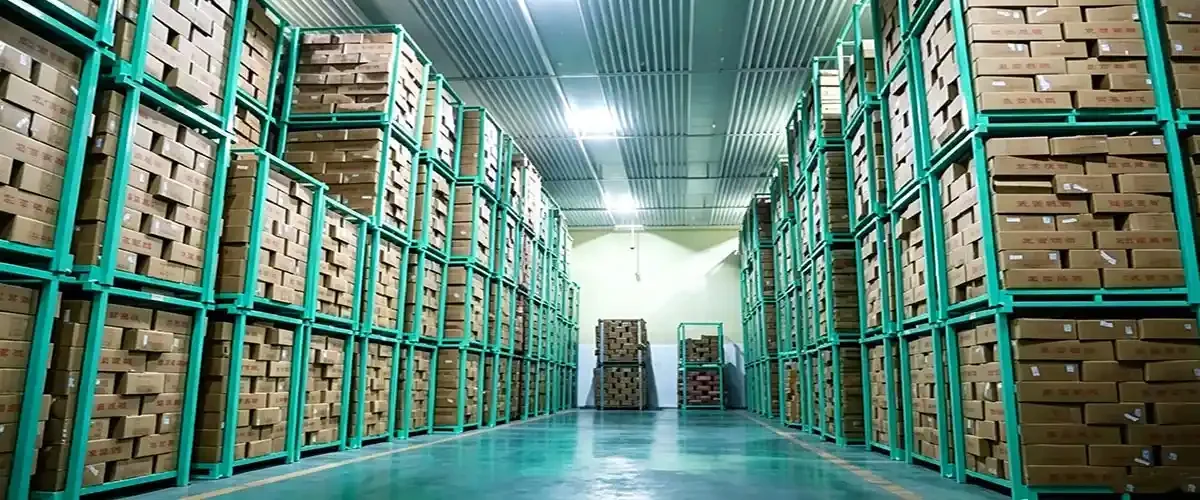
A well-designed cold storage racking system is essential for organizing products, making efficient use of refrigerated space, and maintaining safe material handling in low-temperature warehouses. Unlike conventional warehouse storage, cold rooms and freezer facilities must deal with condensation, humidity, temperature fluctuations, limited working space, and strict requirements for inventory handling.
For frozen food, meat, seafood, agricultural products, beverages, and other temperature-sensitive goods, the right cold storage racks can help improve storage density while keeping products accessible and organized.
For facilities that do not require permanent high-density racking structures, stacking racks, pallet racks, and folding racks provide flexible alternatives that can be moved, reconfigured, or customized according to storage requirements.
What Is a Cold Storage Racking System?
A cold storage racking system is a steel storage solution designed for refrigerated rooms, chilled warehouses, and freezer environments.
The system may include different types of storage equipment depending on the products and handling process. For flexible cold-room storage, common options include cold storage stacking racks, pallet racks, stackable steel racks, and folding racks.
Unlike ordinary warehouse storage equipment, cold-room racks need to be selected with the operating environment in mind. Moisture, condensation, low temperatures, and frequent forklift operations can all affect rack performance over time.
The right design therefore needs to consider not only storage capacity, but also:
Storage temperature
Product weight and dimensions
Rack load capacity
Forklift access
Stacking height
Corrosion protection
Cold-room layout
Product turnover
Required storage flexibility
Why Cold Storage Needs Specialized Racking
Cold rooms are expensive spaces to operate, so every square meter needs to be used effectively.
At the same time, the environment places additional demands on storage equipment. Condensation and moisture can accelerate corrosion, while limited aisle space can increase the risk of forklift impact. Industry guidance also highlights structural durability and protection against forklift damage as important considerations for cold-storage rack design.
A suitable cold storage racking system should therefore achieve a balance between storage density, accessibility, durability, and operational flexibility.
Better Use of Available Storage Space
Cold storage facilities often have significant investment in refrigeration and insulated building space. Efficient rack placement allows more products to be stored within the existing cold room rather than expanding the facility.
Organized Product Storage
Properly designed cold room storage racks keep products separated and organized, making inventory identification, loading, and unloading easier.
Reduced Product Damage
Steel racks provide dedicated support for stored goods rather than requiring products to bear the weight of items stacked directly above them.
This is particularly useful for cartons, containers, packaged food, tires, and other products that may deform under excessive stacking pressure.
Easier Material Handling
Forklift-compatible racks allow operators to move multiple storage units efficiently. This can be especially useful in cold environments where minimizing unnecessary handling time inside the freezer is beneficial.
Cold Storage Racking Options for Different Applications
There is no single rack design suitable for every cold room. The best solution depends on the products being stored, how frequently they are moved, and how much flexibility the warehouse requires.
For manufacturers and warehouse operators that prefer portable and reconfigurable storage equipment, several steel rack types can be integrated into a cold storage racking system.
Cold Storage Stacking Racks
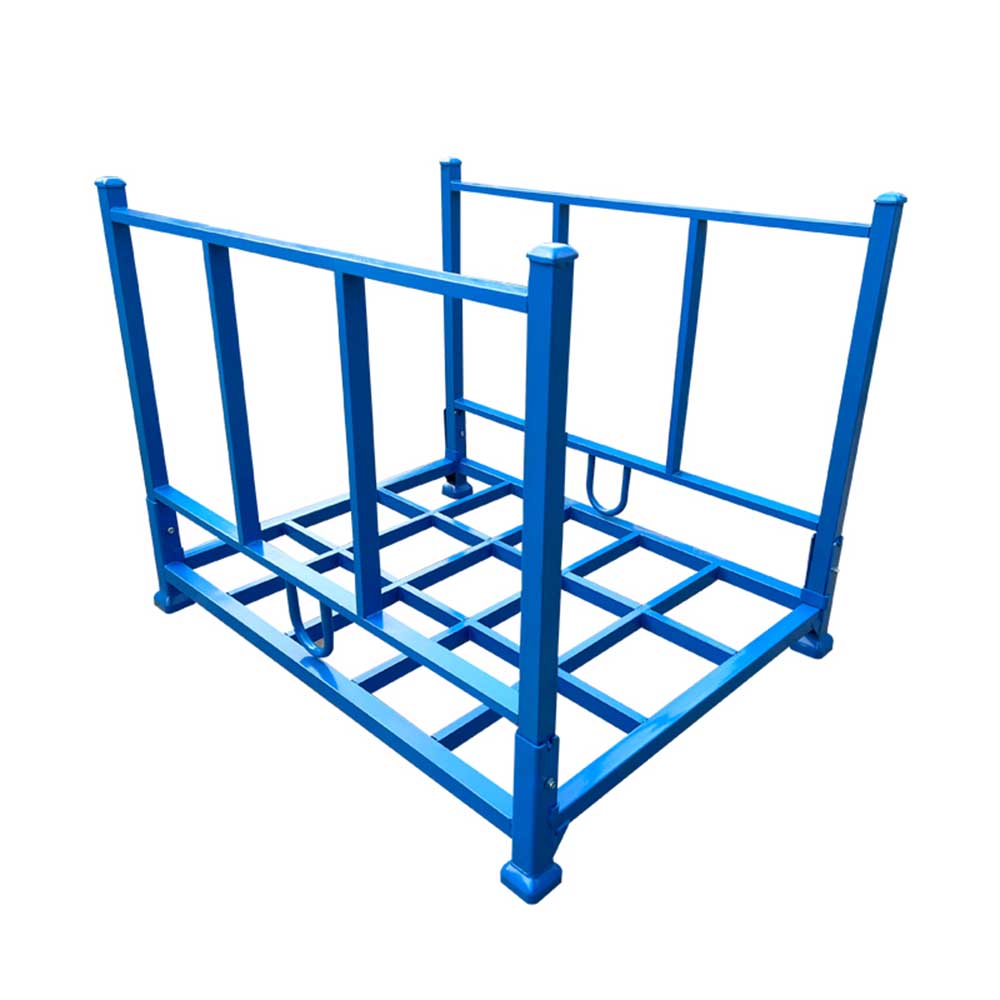
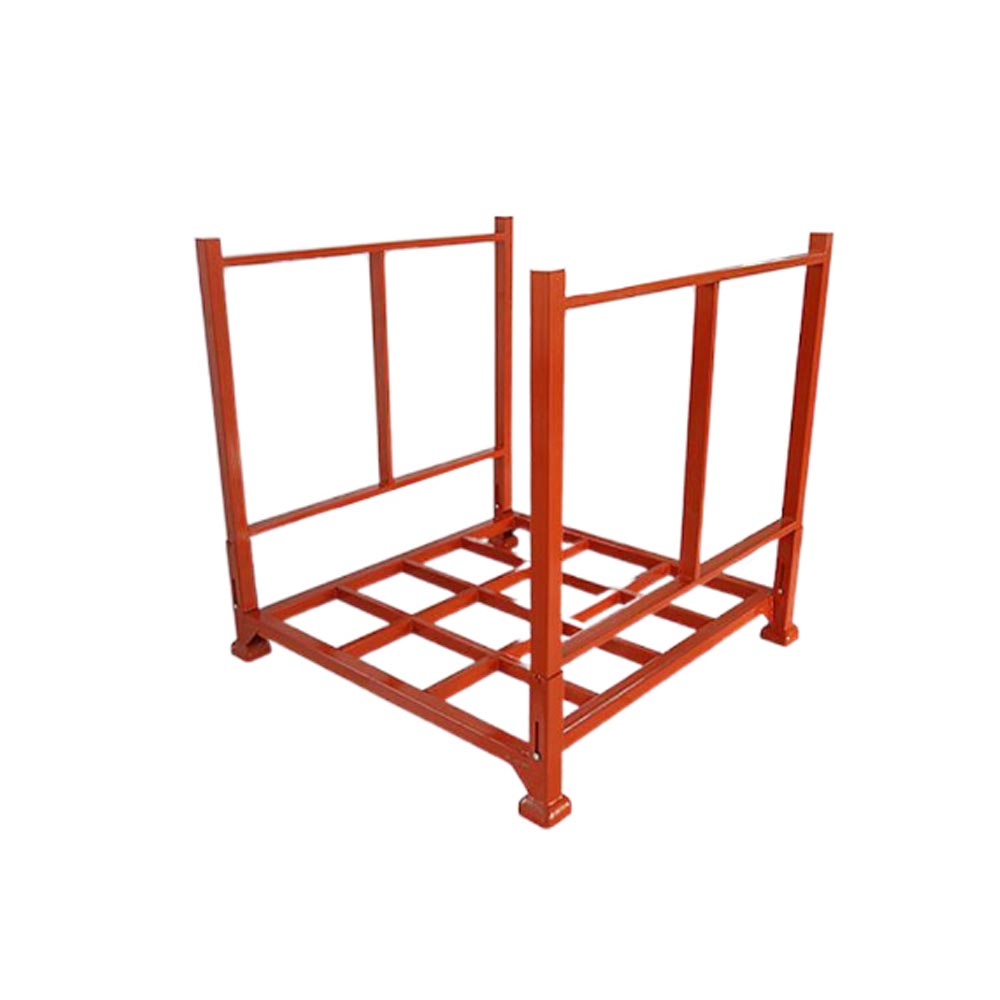
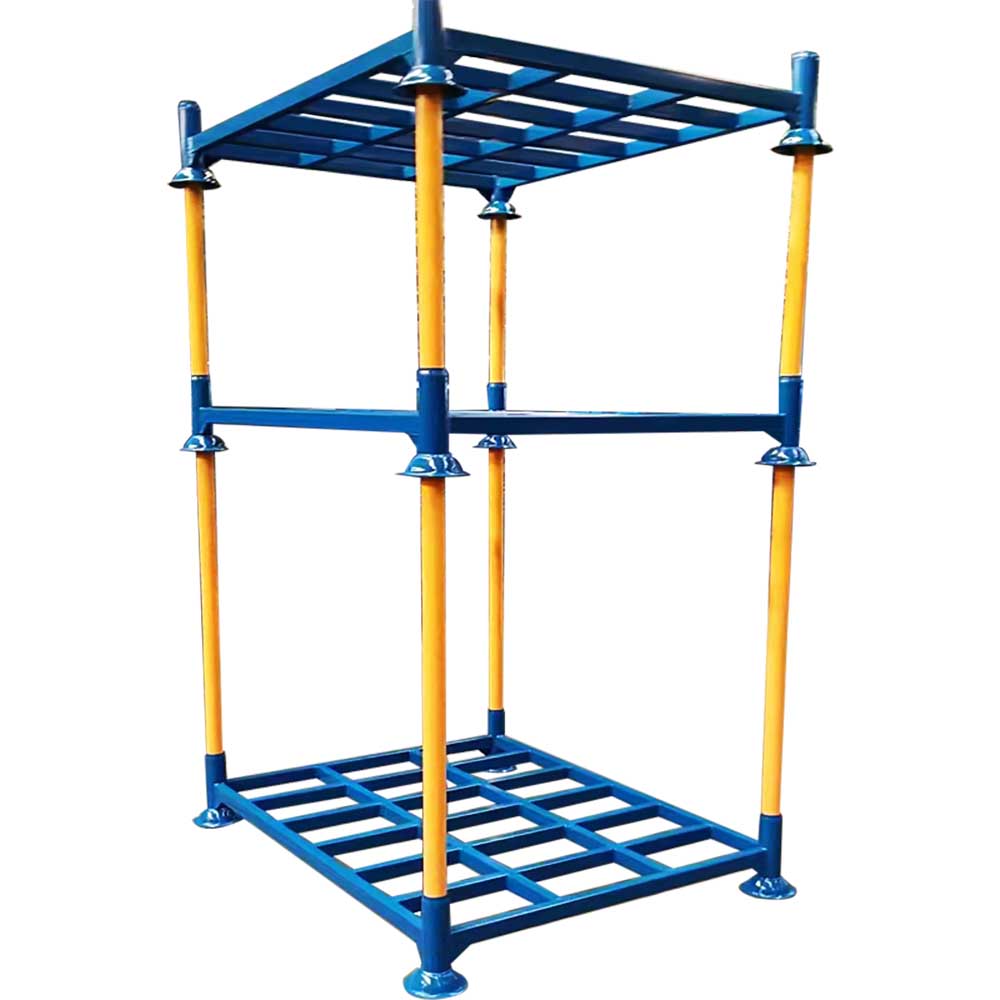
Cold storage stacking racks are freestanding steel units designed to support loads while allowing multiple racks to be stacked vertically.
This configuration is particularly useful for bulk storage of products with similar dimensions.
Each rack supports its own load through the steel frame, reducing dependence on the products underneath. When inventory requirements change, individual units can also be moved with a forklift.
Typical applications include:
Frozen food
Meat and seafood
Agricultural products
Beverage products
Packaging materials
Industrial components
The exact stacking height and load capacity should always be determined by the rack manufacturer’s engineering specifications.
Stackable Steel Racks
Stackable steel racks provide similar benefits where the warehouse needs temporary or flexible vertical storage.
Because individual rack units can be separated and relocated, they are suitable for warehouses where inventory levels and storage locations change frequently.
They can also be designed with different base dimensions, post heights, forklift entry points, and surface finishes according to the cold-room layout.
Pallet Racks for Cold Storage
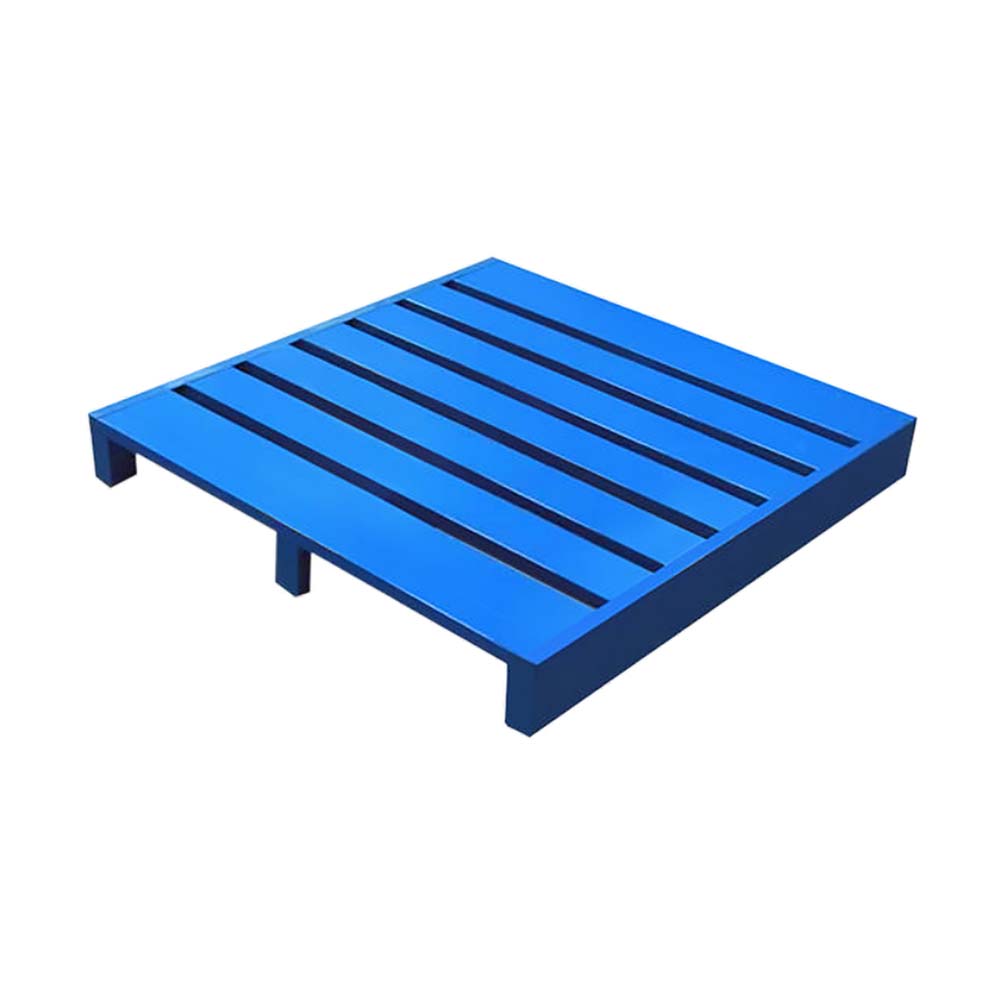
Cold storage pallet racks are suitable when products are already loaded on standard pallets and individual pallet access is important.
The rack dimensions can be designed around pallet size, load weight, forklift type, and available aisle space.
For example, pallet rack configurations can be customized for different pallet standards and warehouse layouts rather than forcing every facility to use one standard size.
This makes pallet racks for cold storage a practical choice for frozen-food distributors, food-processing facilities, and cold-chain warehouses handling palletized goods.
Folding Racks
Folding racks are useful when empty storage equipment needs to occupy less space.
Once the products have been removed, the rack can be folded or collapsed depending on the design. This can be particularly valuable in returnable logistics and seasonal cold-storage operations where the quantity of required storage equipment changes throughout the year.
For facilities handling truck tires, agricultural products, containers, or other specialized goods, customized folding structures can also be developed for specific product dimensions.
Recommended products
How to Choose the Right Cold Storage Racking System
Choosing cold storage racks should start with the actual operating conditions rather than rack appearance or price alone.
1. Define the Storage Temperature
Tell the rack manufacturer the actual temperature range of the cold room.
A chilled warehouse, refrigerated room, and deep-freezer environment may have different material and surface-treatment requirements.
Some cold-storage facilities operate around 0°C or below, while freezer warehouses can operate significantly below freezing. The rack design should therefore be matched to the actual environment.
2. Calculate the Required Load Capacity
Determine the maximum weight stored on one rack and the required stacking configuration.
For palletized goods, consider:
Pallet weight
Pallet dimensions
Number of pallets
Rack load per position
Maximum stacking height
For stacking racks, the manufacturer should evaluate both the load carried by each unit and the structural requirements of the complete stacked configuration.
3. Match the Rack to the Forklift
Forklift compatibility is particularly important in cold rooms because working aisles can be narrow and visibility may be reduced.
The rack should be designed around:
Fork dimensions
Forklift capacity
Entry direction
Required aisle width
Lifting height
Loading method
Proper rack and forklift coordination can improve handling efficiency while reducing accidental impact.
4. Consider Moisture and Corrosion
Condensation and moisture are major concerns when steel equipment operates in refrigerated environments.
Depending on the environment, buyers may consider powder-coated, zinc-coated, or galvanized finishes.
The appropriate finish should be selected according to the temperature, humidity, cleaning process, and expected service conditions rather than applying the same treatment to every cold room.
5. Consider Storage Flexibility
If the warehouse stores different products throughout the year, a fixed storage configuration may not always be the most practical choice.
Stackable racks and folding racks allow the storage area to be reorganized when product volumes change.
This is particularly useful for seasonal agricultural products, changing frozen-food inventories, and logistics operations serving multiple customers.
Custom Cold Storage Racks
Cold rooms vary significantly in size, pallet standards, product dimensions, and forklift layouts. For this reason, custom cold storage racks are often more practical than standard-size products.
A manufacturer can customize the rack according to:
| Customization | Typical Requirement |
| Rack length | Product or pallet dimensions |
| Rack width | Storage depth and aisle layout |
| Rack height | Cold-room ceiling and stacking requirements |
| Load capacity | Product weight |
| Post size | Required structural strength |
| Forklift access | Handling equipment |
| Base design | Product and load distribution |
| Surface treatment | Temperature and humidity |
| Panels | Product containment |
| Folding structure | Return and empty-rack storage |
For example, a cold-storage stacking rack can be manufactured with removable posts for easier handling and transport, while a folding rack can be designed for applications where empty units need to be returned or stored outside the cold room.
Cold Storage Racking System Manufacturer
Working with an experienced cold storage racking system manufacturer is important when the project involves customized dimensions, large quantities, or demanding operating conditions.
A professional manufacturer should be able to evaluate the complete storage process rather than simply supplying standard racks.
Important capabilities include:
Steel fabrication
Rack engineering
Load-capacity calculation
Customized dimensions
Welding and structural inspection
Surface treatment
Export packaging
OEM manufacturing
Project-based production
For overseas buyers, production consistency and packaging are also important. Stackable and detachable rack structures can improve container utilization, which may reduce transportation costs for large-volume orders.
Cold Storage Racking System for Space-Efficient Warehouses
The best cold storage racking system is not necessarily the system with the highest theoretical storage density.
A practical solution should balance:
Storage capacity + product accessibility + forklift handling + rack durability + layout flexibility
For example, a warehouse storing large quantities of identical products may benefit from stackable storage racks, while a facility requiring frequent access to individual palletized goods may prefer pallet-based storage.
Where storage requirements change seasonally, folding or detachable racks can provide additional flexibility.
The objective is to make the existing cold-room space work more efficiently without creating unnecessary complexity.
Cold Storage Racking System vs. Conventional Warehouse Racks
Cold-storage equipment and standard warehouse racks may look similar, but the operating environment is different.
| Consideration | Cold Storage Racking | Standard Warehouse Racking |
| Operating environment | Refrigerated/freezer rooms | Normal indoor warehouse |
| Temperature | Low or sub-zero | Normal ambient |
| Moisture exposure | Higher | Usually lower |
| Corrosion considerations | More important | Application dependent |
| Surface treatment | Selected for cold/humidity | General warehouse finish |
| Forklift conditions | Often confined | Usually less restrictive |
| Product types | Temperature-sensitive goods | General products |
| Design priority | Environment + storage + handling | Storage + handling |
The rack structure should therefore be selected according to the actual warehouse environment rather than simply adapting a standard rack without considering low-temperature conditions.
Conclusion
A well-designed cold storage racking system should do more than add storage positions. It should work with the cold-room environment, products, forklifts, and inventory workflow.
For facilities looking for flexible steel storage solutions, cold storage stacking racks, stackable steel racks, pallet racks, and folding racks provide several practical options without relying exclusively on permanent rack structures.
By selecting the correct load capacity, dimensions, surface treatment, forklift access, and rack configuration, cold-chain operators can make better use of refrigerated space while maintaining organized and efficient material handling.
For customized cold storage racks, working directly with an experienced manufacturer allows the rack structure to be developed around the actual products, storage temperature, warehouse layout, and handling requirements.