Industrial Storage Cages for Organized Material Handling and Warehouse Storage

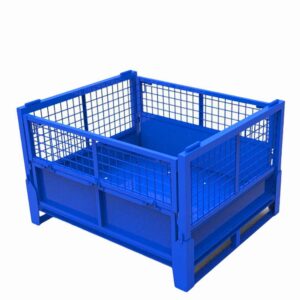
Storage Cages are reusable steel storage containers designed to organize, contain, store, and move industrial materials more efficiently.

Unlike open pallets, Storage Cages provide a defined storage space around the products, helping prevent materials from spreading, falling, mixing, or becoming difficult to manage during storage and handling.

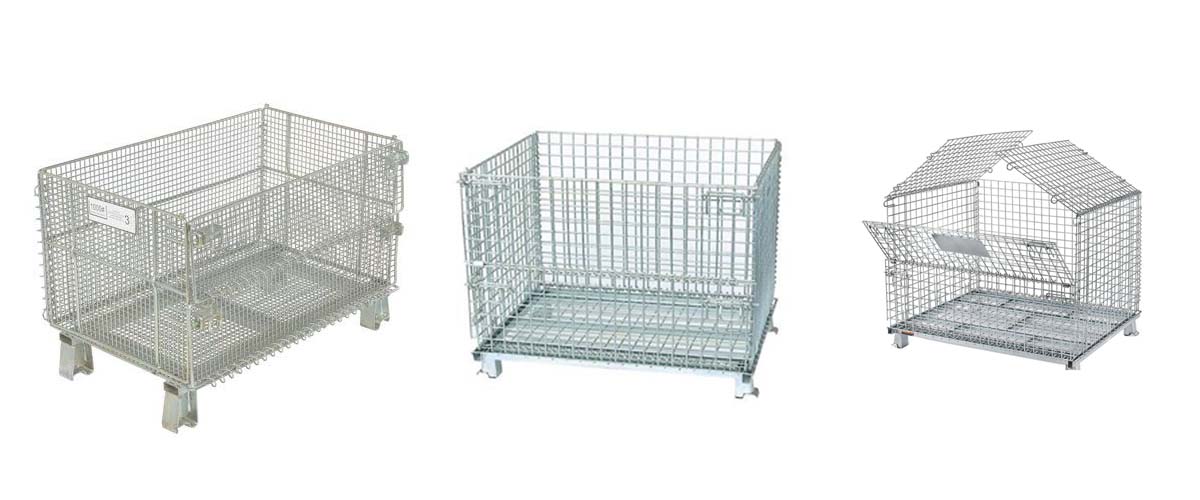
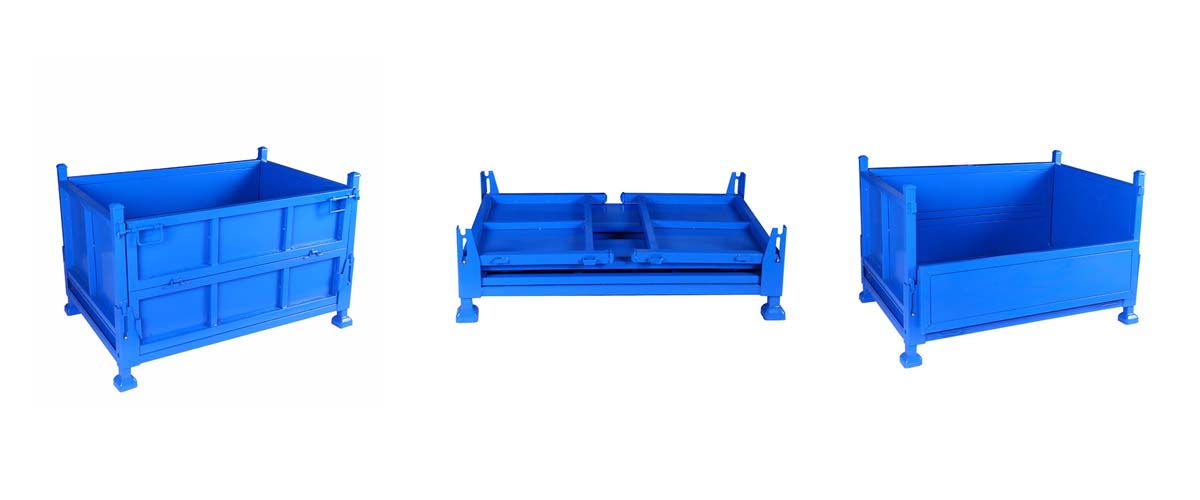
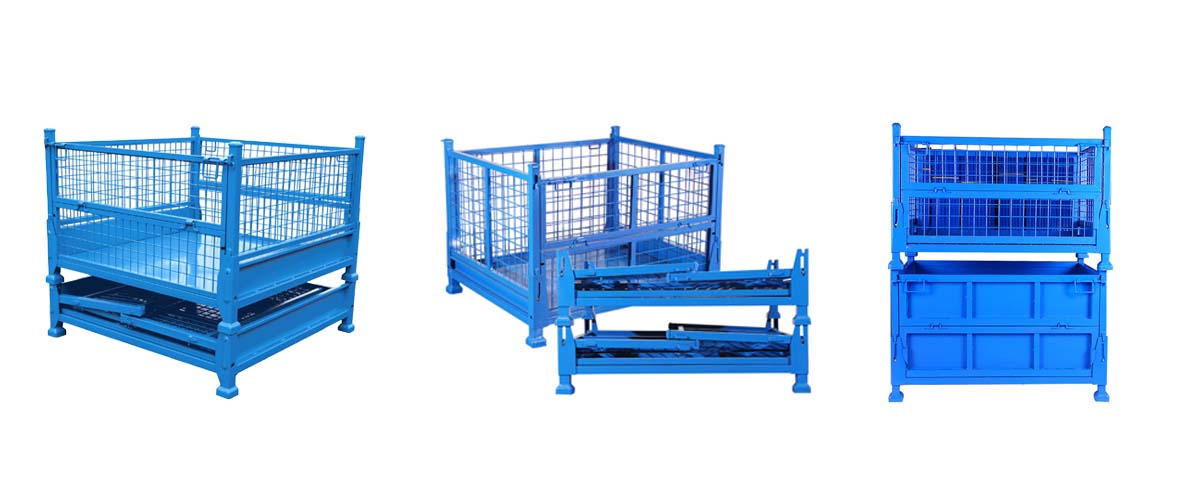
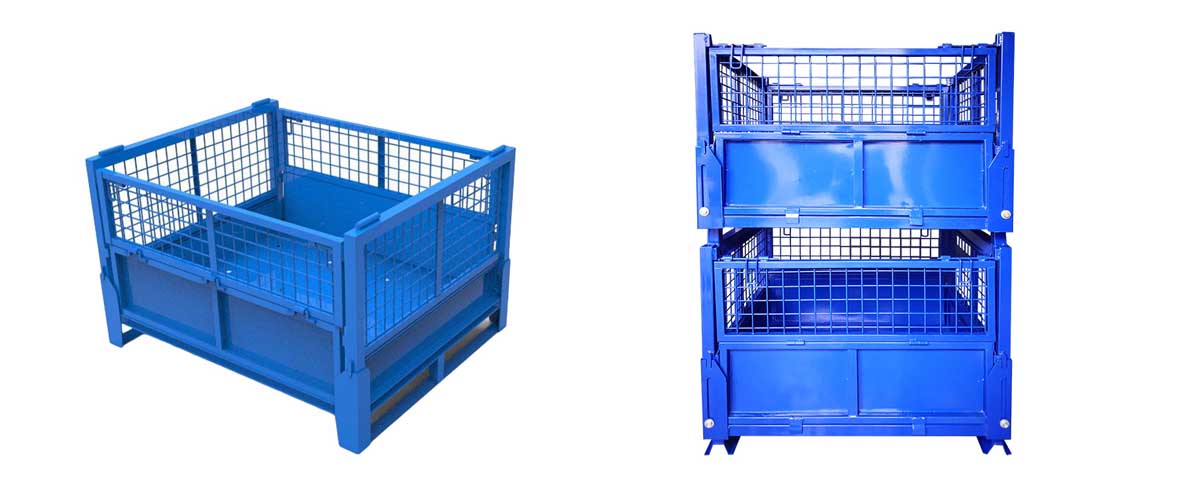
Depending on the product requirements, Storage Cages can be manufactured with wire mesh panels, steel plates, or a combination of both. Different structures are available for different materials, load requirements, visibility needs, and warehouse environments.

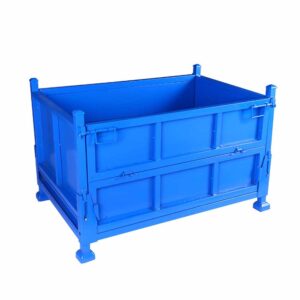
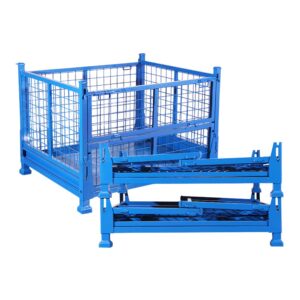
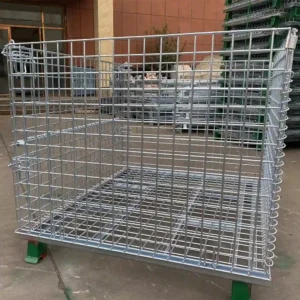
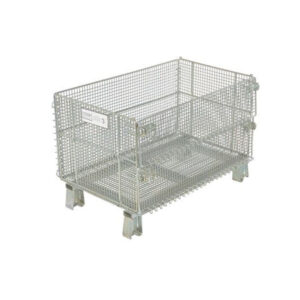
JULI® manufactures a range of metal storage cages, including half mesh half plate cages, wire mesh storage cages, full steel plate cages, Korean-style material boxes, and specialized agricultural bins.

Explore our Storage Cages collection to find the right container for storing, handling, organizing, and transporting your materials.

What Are Storage Cages?

A Storage Cage is a reusable steel storage container that provides a defined, enclosed space for industrial products and materials.
Compared with a flat steel pallet, a storage cage uses side structures to contain the goods. This makes it easier to keep materials together during storage, transportation, and forklift handling.
The enclosure can be made from:
Wire Mesh + Steel Frame
or
Steel Plate + Steel Frame
or a combination of both.
The structure can therefore be adapted to different product characteristics.
For example, wire mesh provides visibility and ventilation, while steel plate panels provide a more enclosed and protective storage environment.

What Are Storage Cages Used For?

Loose products can easily become mixed or scattered when stored directly on the warehouse floor.
A Storage Cage provides a defined boundary around the products, helping organize materials by product type, batch, specification, or production stage.

Side panels help reduce the risk of products falling out or being displaced during forklift movement and warehouse handling.
The appropriate cage structure can also provide additional protection for products that require more enclosed storage.

A properly designed Storage Cage allows products and their storage container to be handled as one unit.
This can simplify movement between receiving, storage, production, assembly, and shipping areas.

Certain Storage Cages can be designed for safe stacking, allowing warehouses to use vertical space more effectively than simple floor storage.

Unlike disposable cartons or packaging, steel storage cages can be reused through multiple storage and handling cycles.

Key Advantages of Storage Cages

1
1. Better Product Containment

The biggest advantage of a Storage Cage compared with an open pallet is the surrounding structure.
The cage helps keep products within a defined storage area and reduces the risk of loose materials spreading across the warehouse.

2
2. Improved Warehouse Organization

Each cage becomes a recognizable storage unit.
Products can be separated by SKU, batch, material type, production stage, or customer order, making inventory management easier.

3
3. Forklift-Friendly Material Handling

Storage Cages can be designed for forklift access, allowing the complete cage and its contents to be moved together.
This can reduce handling time and improve internal material flow.

4
4. Stackable Storage

Many industrial storage cage designs can be engineered for vertical stacking.
This allows warehouses to make better use of available height while maintaining organized storage units.
The allowable stacking height should always follow the manufacturer's specification.

5
5. Reusable Steel Construction

Steel cages can be reused repeatedly instead of being discarded after one transportation cycle.
This makes them suitable for long-term warehouse storage and reusable logistics.

6
6. Multiple Panel Configurations

Different products require different enclosure levels.
Wire mesh provides visibility and airflow.
Steel plate provides greater enclosure and protection.
A combination of both can balance visibility, ventilation, containment, and protection.

7
7. Easy Product Identification

Mesh structures allow operators to visually identify stored contents without opening the cage.
This can be particularly useful in warehouses with high inventory turnover.

8
8. Customizable for Different Applications

Storage Cages can be customized according to:
Product Size + Product Weight + Handling Method + Storage Environment + Storage Density
This makes them suitable for a wide range of industrial and commercial applications.

Where Are Storage Cages Used?

industrial storage cages

Warehouses

General warehouses can use wire mesh storage cages to organize small parts, industrial components, packaged materials, and inventory.
metal storage containers

Manufacturing

Manufacturing facilities can use storage cages for raw materials, work-in-process products, components, and finished goods. Cages can move materials between production areas and warehouse storage as a reusable handling unit.
Automotive Parts

Automotive components often have different sizes and shapes and may require repeated movement between suppliers, production lines, assembly areas, and warehouses. Custom cages can be designed around these requirements.
material storage cages

Agriculture

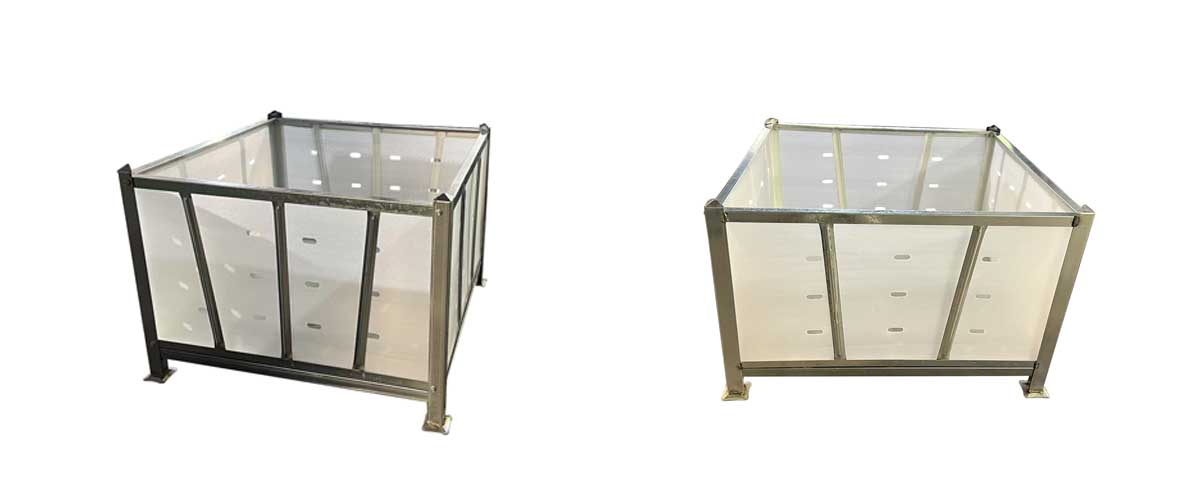
Agricultural products such as apples and other produce require bulk handling from harvesting through storage and distribution. Specialized bins and cages can provide reusable units for these logistics operations.
steel storage cages

Spare Parts and Hardware Storage

Small industrial components, hardware, tools, and spare parts can be grouped into individual cages to improve warehouse organization and inventory management.

Why Choose JULI® Storage Cages?

A storage cage is simple in appearance, but its performance depends heavily on structural design.
The cage needs to support the required load, remain stable during handling, and withstand repeated use.

Multiple Cage Structures

Custom Dimensions and Capacity

Designed for Repeated Handling

Industrial storage cages are often loaded, unloaded, moved, stacked, and reused repeatedly.
Structural strength, welding quality, base construction, and surface treatment therefore have a direct impact on service life.

Manufacturer-Direct Supply

Working directly with JULI® gives customers greater control over specifications, production, inspection, packaging, and customized requirements.
OEM and ODM projects can also be supported according to the customer’s application.

Custom Storage Cages from a Professional Manufacturer

There is no single Storage Cage that works for every type of product.
A cage for small metal parts may need high visibility and ventilation.
A cage for heavy industrial materials may require stronger steel plate construction.
A fruit bin may need large-volume agricultural handling capability.
JULI® develops custom storage cages around these differences.
The final structure can be designed according to:
Product + Load + Handling + Storage Environment + Stacking Requirement + Operating Cycle
This allows customers to receive a storage container that fits the actual material handling process instead of adapting the warehouse around a generic cage.