Space-Saving Nested Racks for Efficient Industrial Storage and Logistics

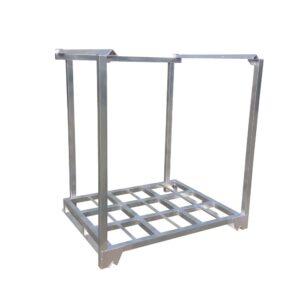
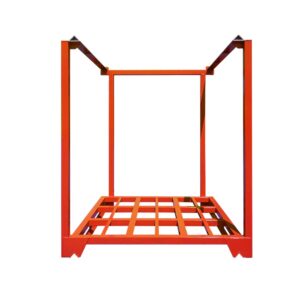
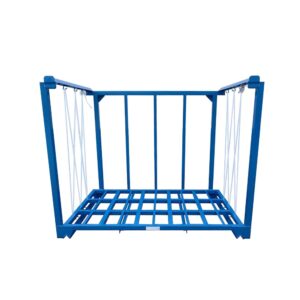
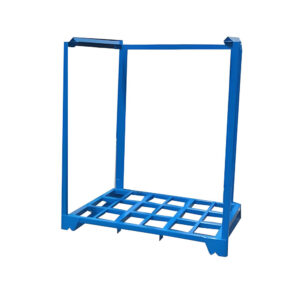
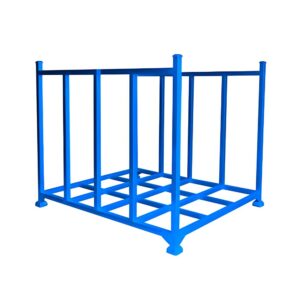
Nested Racks are reusable steel storage racks designed to reduce the space occupied by empty racks through a nesting structure. When loaded, they provide a stable storage and handling solution for industrial materials. When empty, multiple racks can be nested together to significantly reduce the footprint required for storage and return transportation.

This makes Nested Racks particularly valuable for warehouses, manufacturing facilities, logistics operations, automotive businesses, agricultural storage, and other applications where large numbers of reusable racks need to be stored, transported, and reused.

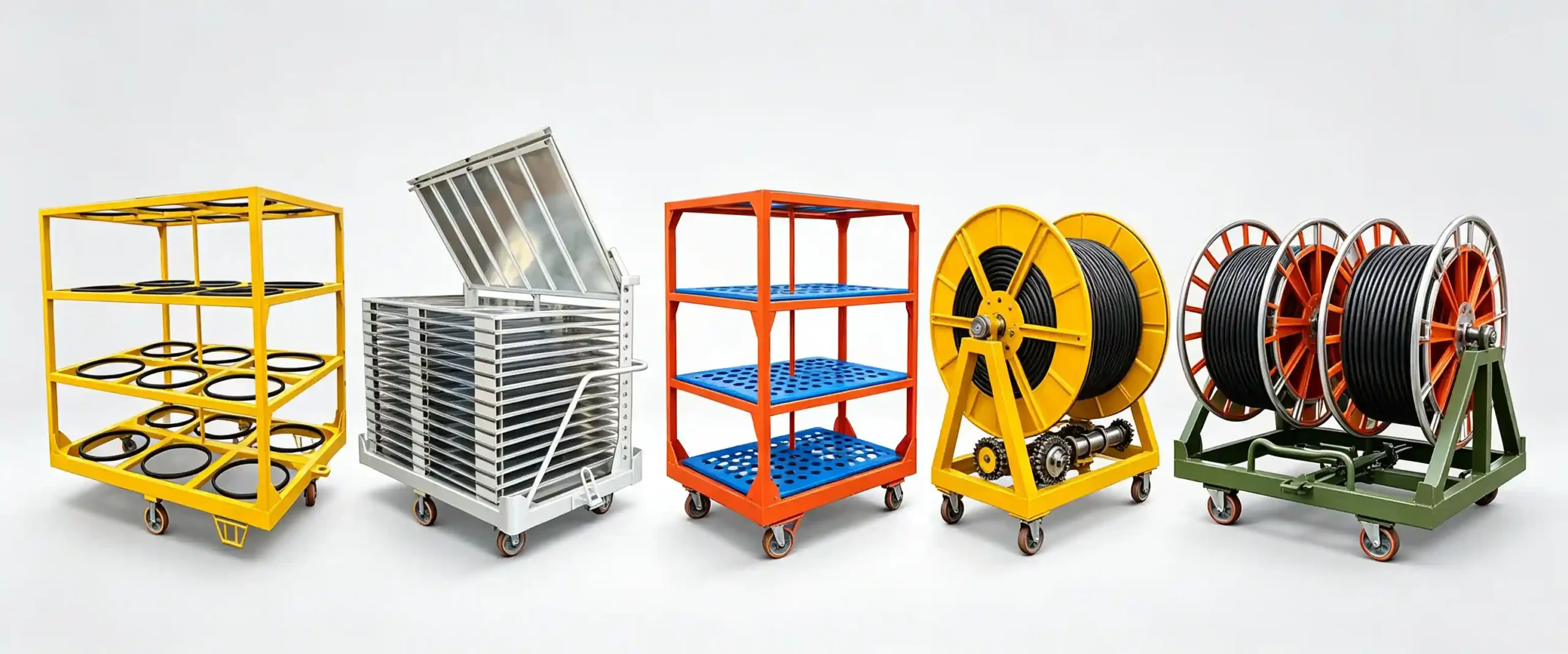
JULI® manufactures nested metal racks in different dimensions, load capacities, and structural configurations. Rack dimensions, support structures, surface treatment, and nesting requirements can be customized according to your products and handling process.

Explore our Nested Rack collection to find a reusable storage solution that saves space when empty and performs reliably when in use.

What Is a Nested Rack?

A Nested Rack is a reusable steel storage rack designed so that empty racks can fit partially inside one another, reducing the amount of floor space they occupy.
The basic operating cycle is:

When the rack is being used, it provides a defined structure for storing and handling products.
When the rack is empty, its geometry allows multiple units to be nested together rather than storing every rack separately.
The result is a storage system that has two different configurations:
Working Configuration:
Provides organized storage and material handling.
Empty Configuration:
Allows multiple racks to be consolidated into a smaller footprint.
This is the defining characteristic of a nested storage rack.

Key Advantages of Nested Racks

The primary advantage of a Nested Rack is its ability to reduce the floor footprint of empty units.
This can be especially valuable for facilities with limited warehouse space.

Nesting multiple empty racks together reduces the space each individual rack occupies during transportation.
This can improve truck utilization and make return logistics more efficient.

Nested racks can be moved, rearranged, and redeployed according to changing inventory requirements.
They do not need to remain permanently installed in one warehouse location.

A nested rack can be used repeatedly for storage, internal handling, transportation, and return logistics.
This makes it suitable for reusable industrial storage and material handling operations.

For companies with large numbers of reusable storage racks, empty equipment can become a warehouse management problem.
Nested designs directly address this issue by consolidating unused units.

Nested racks can be designed for forklift access so that loaded units can be moved efficiently throughout warehouses and production facilities.

The rack can be engineered according to the dimensions, weight, shape, and handling requirements of the products being stored.

Reducing the warehouse and transportation space required for empty racks can contribute to lower logistics and storage costs over the service life of the equipment.
The actual economic benefit depends on rack quantity, circulation frequency, transportation distance, and storage conditions.

Where Are Nested Racks Used?

Nested Racks are particularly effective in operations where storage units move repeatedly between different locations.

Manufacturing

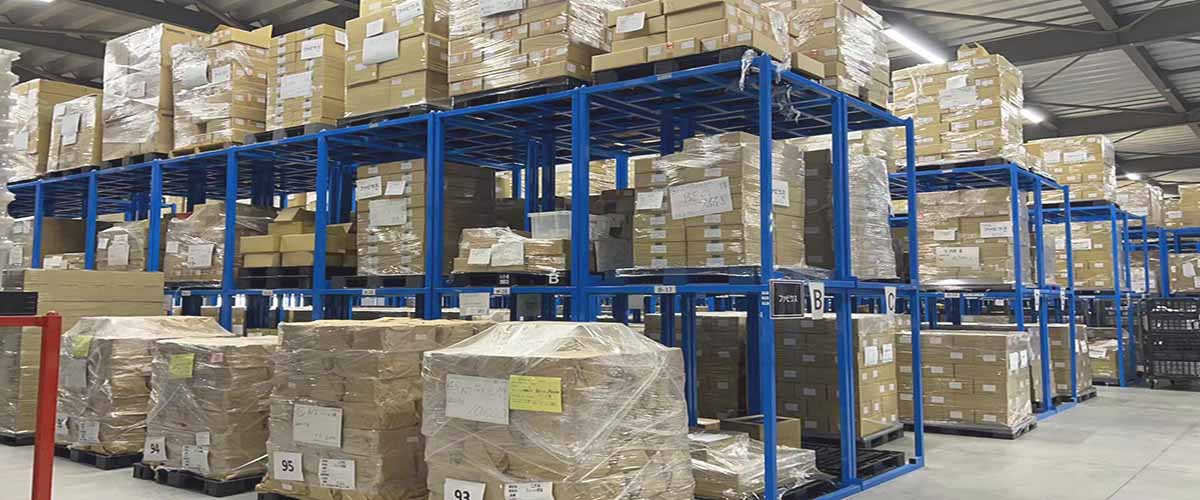
Manufacturing plants can use Nested Racks to store raw materials, production components, work-in-process products, and finished goods. When racks become empty, they can be nested in designated areas rather than spreading across valuable production or warehouse floor space
Logistics & Distribution

Logistics & Distribution

Logistics operations often have to deal with both loaded and empty equipment. Nested Racks provide a practical way to manage empty return units while maintaining organized product handling during active operations.
Passenger Car & SUV Tire Storage Racks

Automotive & Tire Storage

Automotive production and distribution involve frequent movement of components between suppliers, production lines, assembly areas, and warehouses. Custom nested rack structures can improve both product organization and empty equipment management.
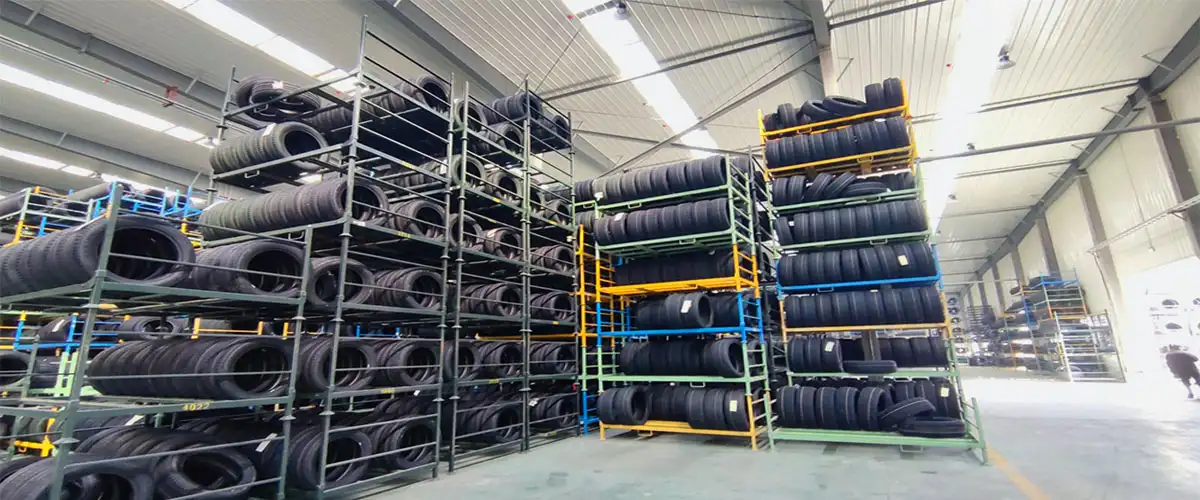
Stackable automotive racks,

Tire Storage

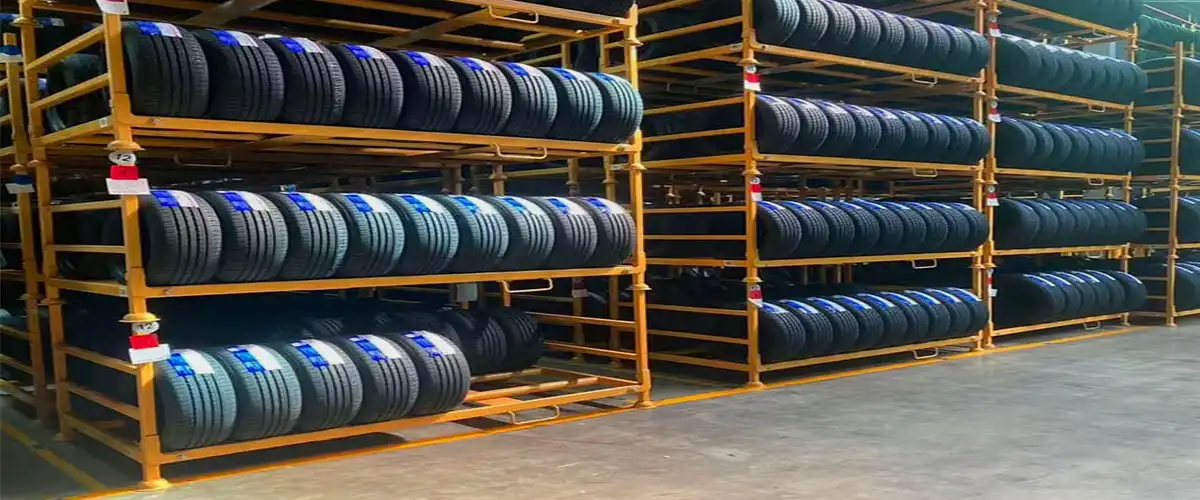
Tire warehouses and distributors may operate large numbers of reusable storage racks. Nested structures can help reduce the footprint of empty racks between inventory and distribution cycles.
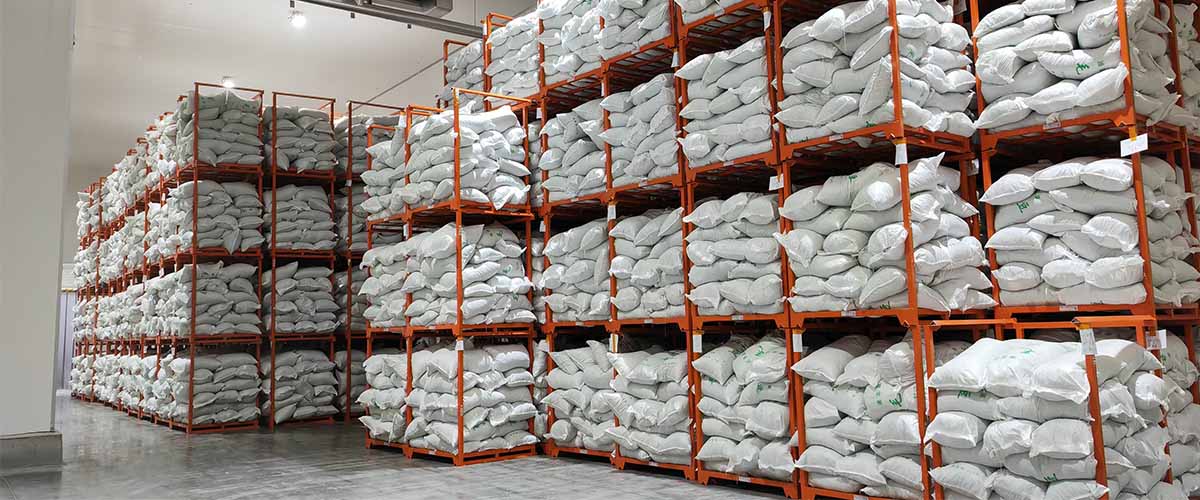
Agricultural Storage

Agricultural Storage

Agricultural operations may experience strong seasonal changes in product volume. Nested racks can provide storage capacity during peak periods while helping consolidate empty equipment when demand decreases.

Why Choose JULI® Nested Racks?

The nesting function is only one part of the product.
A reliable Nested Rack must also provide structural strength, dimensional accuracy, stable operation, and durability through repeated use.
Designed for Real Industrial Applications
JULI® designs steel storage equipment around real warehouse and material handling requirements.
The rack specification can be developed according to product dimensions, load weight, forklift operation, storage height, and environmental conditions.
Optimized Nesting Structure
A good Nested Rack should not simply fit inside another rack.
The nesting structure needs to balance:
Nesting Depth + Rack Stability + Product Accessibility + Handling Efficiency
JULI® can adjust the structural configuration according to the required nesting performance.

Custom Manufacturing

Available customization can include:

Factory-Direct Supply

JULI® manufactures steel storage equipment directly and can support OEM and customized projects for distributors, importers, manufacturers, warehouses, and logistics companies.

How to Choose the Right Nested Rack

Start with the Product
Determine the product's: Length + Width + Height + Weight + Shape This determines the required storage structure.
Check the Handling Method
Identify whether the rack will be handled by forklift, pallet truck, crane, or another system. The handling equipment affects the rack's base and access configuration.
Define the Nesting Requirement
Identify whether the rack will be handled by forklift, pallet truck, crane, or another system. The handling equipment affects the rack's base and access configuration.
Define the Nesting Requirement
Consider how many empty racks need to be consolidated into one group and how much space is available for empty-rack storage.
Consider the Operating Cycle
If racks circulate frequently between factories, warehouses, and customers, transportation and nesting efficiency become more important.
Match the Environment
For humid, outdoor, refrigerated, or corrosive environments, the steel specification and surface treatment should be selected accordingly.

Custom Nested Racks from a Professional Manufacturer

The right Nested Rack should be designed around the complete logistics cycle, not only the storage stage.
A successful design needs to work when the rack is:
Loaded → Moved → Stored → Unloaded → Nested → Transported → Reused
JULI® can customize nested metal racks according to your product dimensions, load requirements, warehouse conditions, handling equipment, and required nesting performance.
For OEM and wholesale customers, customized rack dimensions, structures, finishes, branding, packaging, and production specifications can also be supported.